
Mixed-use device recycling is the process of collecting and processing diverse electronic devices, such as laptops, smartphones, tablets, printers, and servers, within a single coordinated program. Rather than running separate streams for each device type, organizations consolidate everything into one managed workflow that covers secure collection, sorting, data sanitization, triage, and final recycling or refurbishment. The result is a program built around two non-negotiable priorities: protecting sensitive data and keeping electronic waste out of landfills.
The industry term for this practice is IT asset disposition, or ITAD, though “mixed-use device recycling” captures the breadth of device types involved. Usedcartridge supports businesses through every stage of this process, from pickup to certified destruction.
A complete mixed-use program typically handles:
- Desktop and laptop computers
- Smartphones and tablets
- Printers, scanners, and peripherals
- Networking equipment and servers
- Storage media such as hard drives and SSDs
- Monitors and display equipment
Pro Tip: Set up dedicated, locked collection points for retired devices rather than relying on employees to sort or stage equipment themselves. Treating device separation as an infrastructure problem, not a behavior problem, produces cleaner device streams and prevents accidental data exposure.
Table of Contents
- Why mixed-use device recycling benefits your business
- How to implement a secure mixed-use recycling program
- Best practices for data destruction and IT asset recovery
- Regulatory compliance and legal considerations
- Environmental impact and sustainability metrics
- Challenges and common pitfalls to avoid
- Usedcartridge makes secure e-waste recycling straightforward
- Key Takeaways
Why mixed-use device recycling benefits your business
The case for a unified recycling program goes well beyond environmental goodwill. Operationally, consolidating device streams cuts the administrative burden of managing multiple vendor contracts and pickup schedules. One program, one chain of custody, one audit trail.
On the environmental side, recycling recovers gold, copper, aluminum, and plastics that would otherwise require virgin mining to replace. Proper sorting and dismantling are critical here: contaminated material streams lose recoverable value and can complicate downstream processing.
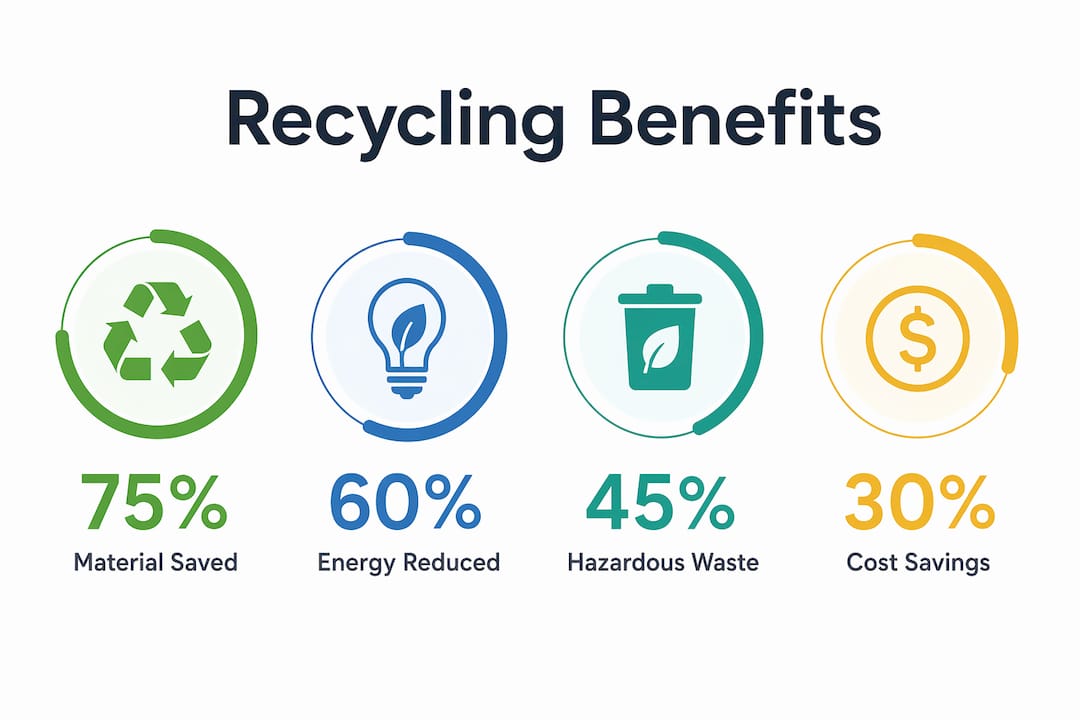
Financially, a triage model that routes reusable devices to refurbishment before recycling maximizes economic return while reducing disposal costs. Devices that still have market value generate revenue or offset program costs. Only genuinely end-of-life equipment proceeds to material recovery.
Key benefits at a glance:
- Simplified vendor management and logistics
- Certified data destruction with verifiable documentation
- Recovery of precious metals and plastics from retired assets
- Reduced landfill contribution and regulatory exposure
- Stronger corporate sustainability reporting
- Compliance with R2 and e-Stewards® certification standards
How to implement a secure mixed-use recycling program
A structured approach prevents the two most common failures: data leaks during collection and material loss during processing. Follow these steps to build a program that holds up under audit.
- Establish secure collection infrastructure. Deploy locked bins or staging areas in IT-controlled spaces. Employees deposit devices; IT staff manage custody from that point forward.
- Inventory every device before it leaves your facility. Log serial numbers, device type, and assigned user. This record becomes the foundation of your chain-of-custody documentation.
- Perform data sanitization before transfer. Per ITU-T L.1081, organizations must eliminate access to sensitive data on end-of-life ICT devices before disposal. Sanitization can be performed in-house using certified software or by a qualified third-party facility that issues a verifiable certificate of destruction.
- Triage devices by condition. Assess each unit for refurbishment eligibility. Devices that pass functional testing go to refurbishment or resale. Those that fail route to certified recycling for material recovery.
- Select a certified recycler. Work only with recyclers holding R2 or e-Stewards® certification. These standards cover environmental compliance, worker safety, and data security protocols.
- Arrange secure transport with documented chain of custody. Every handoff between your facility and the recycler should be logged and signed. No undocumented transfers.
- Obtain and retain certificates of destruction. Your recycler should provide official documentation for every device processed. These certificates support compliance audits and data privacy obligations.
“When disposing of ICT devices, individuals and organizations shall ensure that access to sensitive recorded data in information storage media is eliminated to avoid unauthorized access. The first disposal stage is the collection of these devices, followed by transportation to points where dismantling or valorization will be carried out, including refurbishment and recycling facilities.” — ITU-T L.1081
Best practices for data destruction and IT asset recovery
Certified data destruction is not optional for any organization subject to data privacy law. A certificate of destruction tied to a specific device serial number is the only documentation that closes the loop for compliance purposes. Without it, you have no proof that data was actually eliminated.
“Assuring the effectiveness of the information sanitization procedure facilitates the disposal of end-of-life ICT devices that retain their storage components to enable reuse. The proposed information storage media sanitization procedure shall provide verifiable data security assurances by issuing a valid sanitization certificate.” — ITU-T L.1081
Best practices that hold up under scrutiny:
- Require certificates of destruction tied to individual device serial numbers
- Train IT staff on data privacy protocols during device collection and staging
- Verify recycler certifications before signing any contract
- Maintain chain-of-custody documentation from collection through final processing
- Apply the triage model: refurbish first, recycle what cannot be refurbished
- Audit your program annually against current data protection regulations
- Use secure data privacy solutions to supplement internal controls where gaps exist
Regulatory compliance and legal considerations
Federal and state regulations governing electronic waste disposal are not uniform, and the gap between what organizations think they must do and what the law actually requires is where liability accumulates. The EPA does not mandate a single national e-waste recycling law, but many states have enacted their own electronics recycling statutes, and data privacy laws at both the federal and state level impose independent obligations on how devices containing personal information are handled.
HIPAA, for example, requires covered entities to destroy protected health information on decommissioned devices. The Gramm-Leach-Bliley Act imposes similar requirements on financial institutions. State laws such as California’s Consumer Privacy Act add further obligations. A recycling program that lacks certified data destruction documentation exposes organizations to regulatory penalties under any of these frameworks.
Working with R2 and e-Stewards® certified recyclers provides a defensible compliance position. Both standards require recyclers to demonstrate environmental, safety, and data security practices to an independent third-party auditor. For organizations that need to demonstrate due diligence, these certifications are the clearest evidence available. Usedcartridge’s compliance resources for IT disposal outline how these standards apply to specific business contexts.
Environmental impact and sustainability metrics
Electronics recycling diverts hazardous materials, including mercury, lead, and cadmium, from landfills where they would otherwise leach into soil and groundwater. It also reduces the demand for virgin raw material extraction, which carries its own environmental costs in energy use, habitat disruption, and emissions.
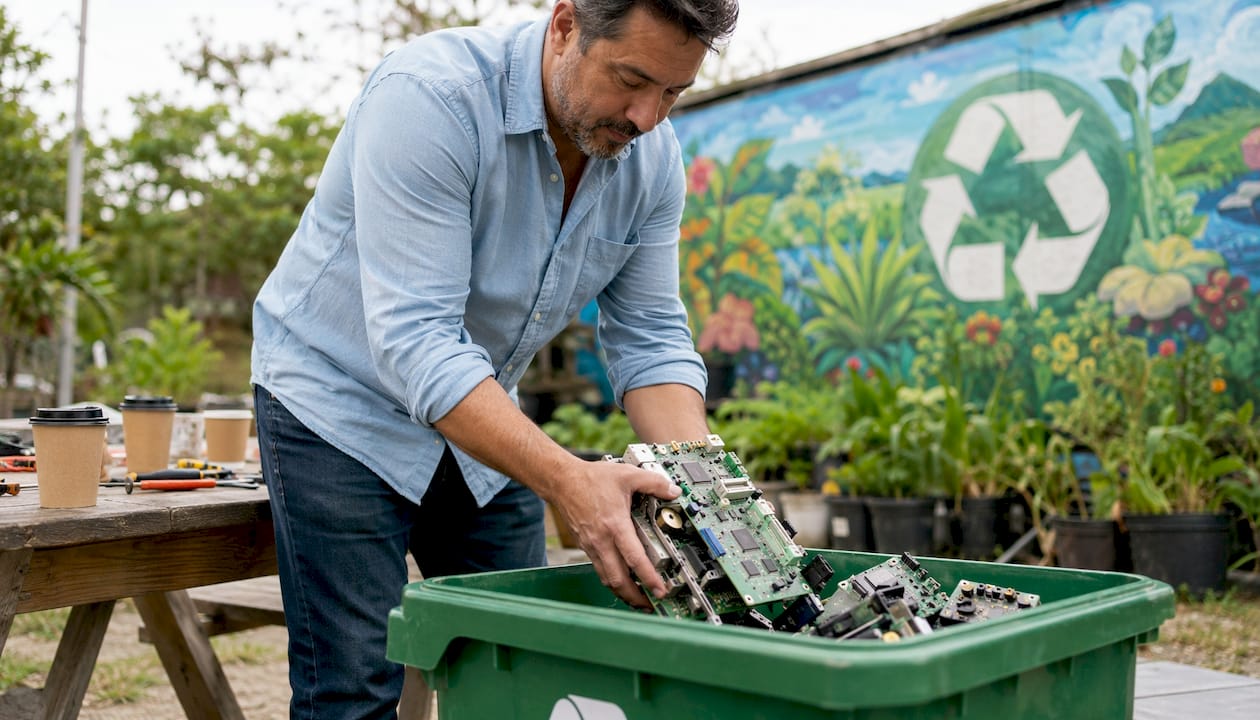
The EPA’s Electronics Environmental Benefits Calculator quantifies these gains for mixed loads of electronic equipment, covering desktops, laptops, monitors, and mobile phones. Organizations can use it to estimate the environmental benefit of their recycling programs in terms of greenhouse gas reductions and material recovery. Careful removal of hazardous components such as mercury lamps and lead-containing CRTs is a prerequisite for environmentally sound recovery at any facility.
For sustainability reporting, the metrics that matter most are: weight of material diverted from landfill, weight of hazardous material safely processed, and weight of recovered materials returned to the supply chain. A certified recycler should provide these figures as part of standard reporting.
Challenges and common pitfalls to avoid
The most persistent problem in mixed-use programs is inconsistent device collection. When employees are responsible for deciding what gets recycled and when, devices accumulate in desk drawers, storage closets, and car trunks. Data sits on untracked hardware for months or years. The fix is structural: remove the decision from individual employees entirely by establishing mandatory collection timelines tied to device age or replacement cycles.
A second common failure is choosing a recycler based on price alone. Uncertified recyclers may offer lower rates but provide no verifiable data destruction, no chain-of-custody documentation, and no environmental compliance guarantee. The downstream liability from a data breach traced to an improperly disposed device far exceeds any cost savings. Verify recycler certifications before any contract is signed.
Finally, organizations frequently skip the triage step and send all retired devices directly to shredding. Devices with remaining market value that get shredded represent lost revenue and unnecessary environmental impact. A proper triage evaluation, as outlined in the implementation steps above, captures that value before it is destroyed.
Usedcartridge makes secure e-waste recycling straightforward
Businesses that need certified data destruction and responsible device recycling without building an internal program from scratch have a direct path forward with Usedcartridge.

Usedcartridge specializes in electronic waste recycling and IT asset recovery for businesses and organizations across the United States. The service covers on-site data destruction with official certification, secure pickup logistics, and full chain-of-custody documentation, so your compliance records are complete before the devices leave your building. Every recycler in the Usedcartridge network operates under certified standards, and clients receive certificates of destruction tied to individual device serial numbers.
For organizations managing mixed fleets of computers, mobile devices, servers, and peripherals, Usedcartridge applies the triage model described in this guide: refurbishment and resale where devices qualify, certified recycling for everything else. The program is designed to recover maximum value from your retired assets while keeping your data and your regulatory standing secure. Request an IT asset recovery quote to get started.
Key Takeaways
Mixed-use device recycling requires certified data destruction, a structured triage model, and documented chain of custody to protect both sensitive information and regulatory compliance.
| Point | Details |
|---|---|
| Define the program scope | Mixed-use recycling consolidates diverse device types, laptops, phones, servers, into one coordinated workflow. |
| Prioritize data sanitization | ITU-T L.1081 requires eliminating data access before disposal; always obtain a verifiable certificate of destruction. |
| Use a triage model | Assess devices for refurbishment before recycling to recover economic value and reduce environmental impact. |
| Verify recycler credentials | Work only with R2 or e-Stewards® certified recyclers to satisfy environmental and data privacy compliance requirements. |
| Usedcartridge as your partner | Usedcartridge provides certified on-site destruction, chain-of-custody documentation, and IT asset recovery for U.S. businesses. |