
For Los Angeles organizations, the fastest way to eliminate e-waste liability is to hire an ITAD vendor that provides either on-site, witnessable physical destruction or off-site processing documented to NIST SP 800-88 sanitization levels, with a serialized Certificate of Destruction for every device. According to Disposition Compliance, a significant share of organizations still hand off equipment without proper sanitization, exposing themselves to regulatory penalties that can average tens of thousands of dollars, with reports indicating that 73% of organizations have mishandled sanitization according to Disposition Compliance. California’s DTSC requirements and U.S. EPA guidance add a second layer of liability on top of federal data-security rules, making compliant electronic waste recycling in Los Angeles a two-front obligation.
Request these items at every pickup:
- Signed chain-of-custody manifest with timestamps and personnel IDs
- Serialized asset inventory listing every device by make, model, and serial number
- Sanitization method per device: clear, purge, cryptographic erase, or physical destroy
- Certificate of Destruction (CoD) referencing method, date, facility, and witness
- Photo or video evidence for any on-site destruction work
- Current R2 or e-Stewards certification from the vendor (verify via the SERI database)
Schedule on-site witnessed destruction for high-sensitivity media, or request a device-level NIST-verified sanitization report for off-site work. Usedcartridge offers both, with e-waste pickup and audit-ready documentation built into every engagement.
Table of Contents
- What to require from any Los Angeles ITAD vendor
- Keith’s take on what most LA businesses get wrong
- Get a free quote for audit-ready e-waste disposal in LA
- Standards, regulations, and a sanitization reference table
- Key Takeaways
What to require from any Los Angeles ITAD vendor
Vendor credentials. Ask for current R2v3 or e-Stewards status and pull the certificate yourself from the SERI lookup. R2v3 certificates require regular renewal audits. A vendor with an expired certificate is not a certified vendor.
Data-destruction mapping by media type. NIST SP 800-88 is explicit: the method must match the media. HDDs can be cleared or purged; SSDs and mobile devices require cryptographic erase or physical destruction because degaussing has no effect on solid-state media. Servers and storage arrays holding regulated data typically warrant purge or destroy. Batteries and solar panels require hazardous-material manifesting regardless of data classification.
Contract and insurance must-haves:
- Chain-of-custody clauses covering every custody transfer
- Device-level CoD with method, serial number, date, and witness
- Minimum errors and omissions / cyber liability coverage (confirm the limit in writing)
- Vendor indemnification for regulatory fines caused by their handling failures
Red flags to cut the conversation short:
- “NIST-compliant” with no stated sanitization level
- Refusal to provide facility tours or device-level reports
- Expired or unverifiable certifications
- No downstream vendor management documentation
Asset recovery can offset disposal costs when devices retain residual value. Request an IT asset recovery quote before assuming disposal is purely a cost line.
Keith’s take on what most LA businesses get wrong
Most organizations focus on whether a vendor has a certification rather than whether the vendor applies the right sanitization level to each device class. That distinction is where audits fail.
NIST SP 800-88 is clear that device-specific characteristics determine which method is valid. Degaussing an SSD accomplishes nothing. A vendor who lists “degauss + certificate” as their SSD process is not compliant, regardless of their R2 status. Insist on cryptographic erase verification or witnessed physical destruction for every solid-state device, and get the method stated on the CoD itself, not just in a cover letter.
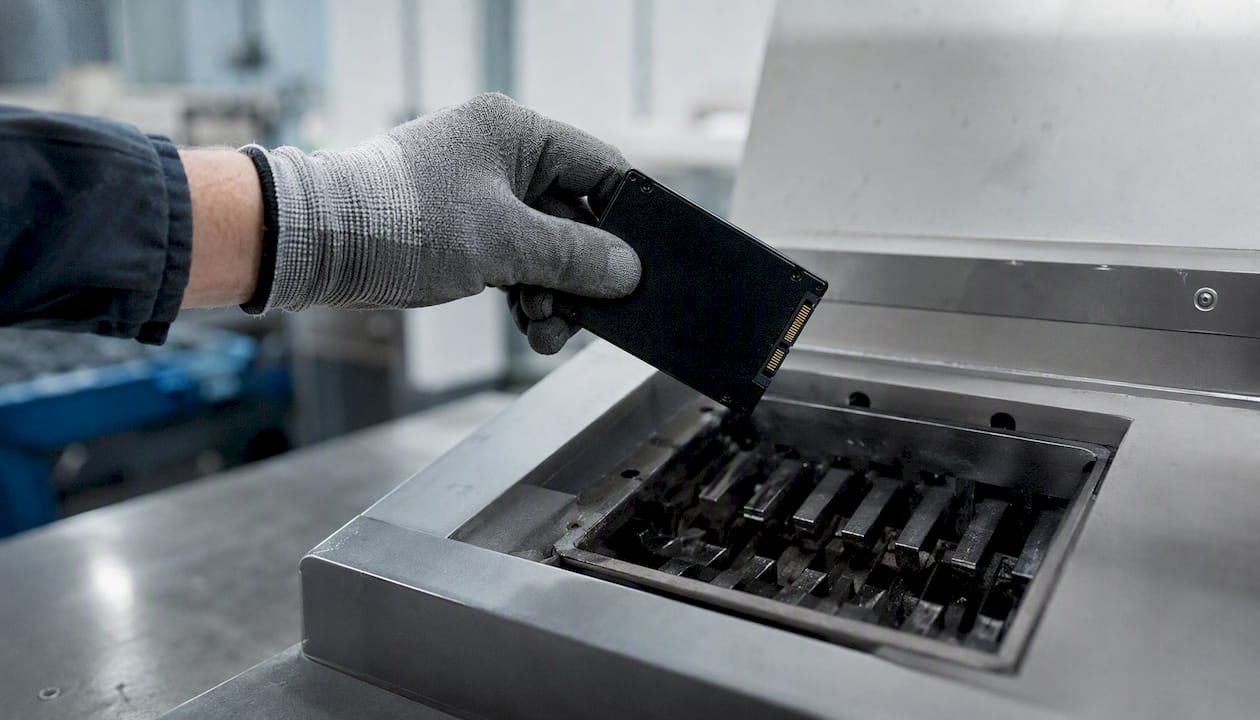
Usedcartridge handles on-site witnessed destruction, serialized chain-of-custody tracking, and device-level Certificates of Destruction. You can request a facility tour, a sample CoD, or a pilot pickup before committing to a full program.
Pro Tip: Ask your vendor to show you a redacted CoD from a prior engagement. If it lists only “sanitized” with no method or serial numbers, that document will not survive an audit.
Get a free quote for audit-ready e-waste disposal in LA
Usedcartridge gives Los Angeles IT and facility managers a concrete alternative to guessing whether their current vendor’s paperwork will hold up. Every engagement includes on-site witnessed destruction or off-site NIST-verified sanitization, GPS-tracked pickup, and a serialized CoD your compliance team can file immediately.

Request a free e-waste recycling and destruction quote or schedule a pickup directly. For organizations with devices that still carry residual value, the IT asset recovery disposition quote assesses what your equipment is worth and applies that credit against disposal costs. Contact Usedcartridge to confirm scheduling, confirm on-site availability for high-sensitivity media, and get your audit documentation in order before your next compliance review.
Standards, regulations, and a sanitization reference table
Every Los Angeles business handling electronic waste should keep these references on file for RFPs and audit responses:
- NIST SP 800-88 Rev. 2: — Defines clear, purge, cryptographic erase, and destruction; the baseline for any compliant ITAD contract.
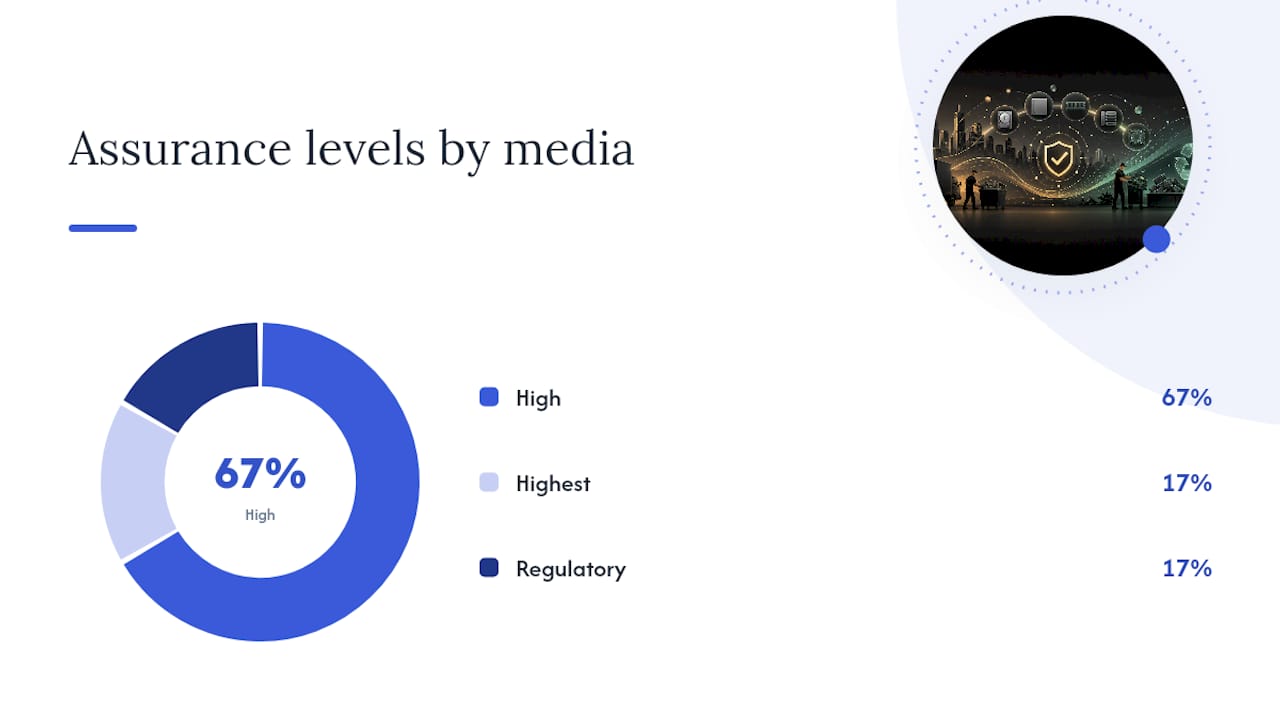
| Media Type | Recommended Method | Assurance Level | Notes |
|---|---|---|---|
| HDD (magnetic) | Purge (overwrite + verify) | High | Clear acceptable for low-sensitivity data |
| SSD / NVMe | Cryptographic erase or destroy | High | Degaussing ineffective; physical destruction if CE unavailable |
| Server storage arrays | Purge or destroy | High | Confirm subcontractor chain if off-site |
| Mobile devices | Cryptographic erase or destroy | High | Factory reset alone does not meet NIST purge standard |
| Removable media (USB, tape) | Destroy | Highest | Reuse rarely justified for regulated data |
| Batteries / solar panels | Hazardous manifesting + recycle | Regulatory | No data concern; DTSC and EPA handling rules apply |
For IT disposal compliance resources and step-by-step guidance on preparing assets for pickup, Usedcartridge publishes operational checklists aligned to these standards.
Key Takeaways
Compliant e-waste disposal in Los Angeles requires NIST SP 800-88 sanitization mapped to each media type, a serialized Certificate of Destruction, and a vendor whose R2 or e-Stewards certification is current and verifiable.
| Point | Details |
|---|---|
| Match method to media | SSDs and mobile devices require cryptographic erase or physical destruction; degaussing is ineffective for solid-state media. |
| Verify certifications independently | Pull R2v3 status from the SERI database directly; do not rely on a vendor’s self-reported certificate. |
| Demand device-level CoDs | A CoD listing only “sanitized” with no method or serial numbers will not survive a compliance audit. |
| Asset recovery offsets costs | Devices with residual value can generate credit that reduces or eliminates disposal fees. |
| Usedcartridge for LA compliance | Usedcartridge provides on-site witnessed destruction, serialized chain-of-custody tracking, and audit-ready CoDs for Los Angeles businesses. |